A mix of different factors can lead to compacted soil, including heavy foot or vehicle traffic, low organic matter, intense rainfall, overwatering, mixing clay soil with sand, and even the weight of heavy equipment or structures.. But when it comes to the health of your lawn, soil compaction can do significant harm –– and we’ll show you how to fix it.
Soil compaction occurs when soil particles are compressed. This compaction reduces the pore space between soil particles.” When the space disappears, the soil becomes harder to dig, roots struggle to grow, and water is more likely to sit on the surface instead of draining properly.
What is Soil Compaction?
Soil is composed of organic matter, mineral particles, living organisms, and pore space. The pore space allows water, nutrients, and oxygen to move through the soil.
Soil compaction occurs when the soil is pressed together and reduces the pore space. As a result, the soil’s density increases, and the pore volume decreases.
Compacted soil prevents the movement of water, nutrients, and oxygen, which ultimately harms underground root systems and organisms vital to the soil’s health, such as earthworms.
What Causes Soil Compaction?
Soil compaction is caused by anything that presses or squishes soil particles together — kind of like squishing Play-Doh toward the bottom of its container with your thumb.
Common causes of soil compaction include:
- High foot traffic: Frequent activity on the lawn compresses the soil, whether it be kids playing in the yard or weekend pool parties.
- Over-tilling the soil: Your lawn should have pea-sized lumps of soil and ample pore space. Excessive tillage ruins the soil structure by breaking the lumps into tiny soil particles and reducing the porosity. Once these small particles become wet, either from rain or irrigation, the muddy soil will clump together and become compact.
- Soil moisture: Wet soil is especially vulnerable to compaction. Avoid amending the soil or operating heavy equipment (like lawn mowers) after rain or irrigation.
- Mixing sand with clay soil: You might think adding sand to your clay soil will improve drainage, but it won’t. According to the Michigan State University Extension, mixing sand with clay soil can make the soil like concrete.
- Parking cars on the lawn: Keep those heavy vehicles off the lawn –– the wheel traffic will compress the soil.
- Recent construction: Has your house been renovated recently? Heavy construction equipment can be tough on your soil.
- Heavy rain: Soil compaction is sometimes out of your control, especially when heavy rains are passing through.
How can you Cure Soil Compaction?
The best way to loosen your lawn’s compacted soil is to perform core aeration. Core aeration is the process of removing plugs of soil from the ground so that water, nutrients, and oxygen can penetrate the soil. The holes from the plugs allow plant roots to grow into the open space.
These plugs are approximately three-quarter inches in diameter, 2 to 3 inches long, and 3 to 4 inches apart. Visit your local home improvement store to learn more about core aerator rentals.
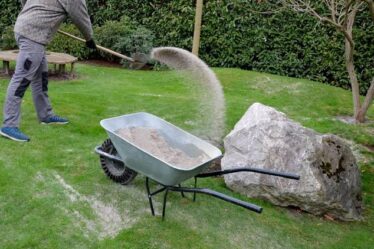
Pro Tip: You can further improve your lawn’s soil health by topdressing with compost after aeration.
How do you know if you have Compacted Soil?
When a lawn has compacted soil, it struggles to eat, drink, and breathe. As a result, a decline in the lawn’s health is a common sign of soil compaction. Keep in mind that some of the following symptoms may signal a different kind of lawn ailment, such as drought or unbalanced fertilization:
- The grass looks off-color. What should be green grass looks brown, yellow, or tan.
- The lawn is thinning or has bare patches where no grass grows.
- The grass grows slowly during its active growing season.
- The lawn is infested with weeds, pests, or diseases.
- Water rolls off high areas of the lawn.
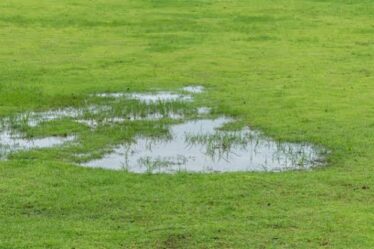
- Low areas of the yard form puddles after rain or irrigation.
- Trees have exposed surface roots (although some trees naturally have shallow root growth like ash trees and some maple trees).
- The yard has obvious signs of traffic, such as a bare patch where the kids play games or wheel tracks from the lawn mower.
- The lawn has excessive thatch buildup on the soil surface.
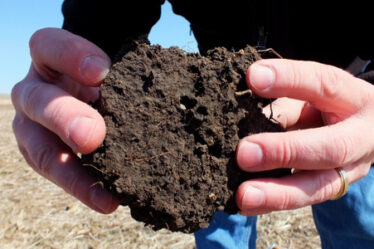
Pro Tip: The soil is likely compacted if it’s difficult to pierce the ground with a screwdriver or shovel. If you manage to dig up compacted soil, you’ll likely notice that the grass root system is shallow. But before you dig in the yard, remember to call 811 so someone can mark underground utility lines.
Hire a pro to improve soil health
A healthy lawn depends significantly on healthy soil. Soil that’s low in nutrients, compacted, or lacking organic material will struggle to support healthy plant growth.
But fixing and amending your soil might not be your top priority, especially when you could be spending your free time with friends and family. From fertilization to core aeration, hire a local lawn care professional who can cure your soil while you enjoy a beautiful yard without the hassle.
In Conclusion
Healthy soil is the foundation of a thick, green, and thriving lawn, but soil compaction can seriously limit your grass’s ability to grow and stay healthy. When the soil becomes compacted, water, oxygen, and nutrients struggle to reach the roots, leading to weak grass, poor drainage, thinning patches, and increased weed problems.
Frequently Asked Questions
1. What is soil compaction?
Soil compaction occurs when soil particles are pressed tightly together, reducing pore space and limiting the movement of water, oxygen, and nutrients through the soil.
2. What causes soil compaction?
Common causes include heavy foot traffic, vehicle traffic, overwatering, heavy rainfall, excessive tilling, construction equipment, and mixing sand with clay soil.
3. Why is compacted soil bad for lawns?
Compacted soil prevents grass roots from accessing air, water, and nutrients, resulting in weak, unhealthy grass growth.
4. How can I tell if my soil is compacted?
Signs include thinning grass, poor drainage, puddles, slow grass growth, weed infestations, shallow roots, and difficulty pushing a screwdriver or shovel into the ground.
5. What is the best way to fix compacted soil?
Core aeration is the most effective way to loosen compacted soil and improve airflow, drainage, and nutrient movement.
6. Can overwatering cause soil compaction?
Yes. Wet soil is more vulnerable to compaction, especially when walked on or exposed to heavy equipment.
7. What happens to grass roots in compacted soil?
Grass roots become shallow and weak because they cannot easily penetrate the dense in the soil.
8. Can compacted soil cause puddles on the lawn?
Yes. Compacted soil reduces water absorption, causing water to pool on the surface after rain or irrigation.
9. Does soil compaction encourage weeds?
Yes. Weak grass caused by compacted soil creates space for weeds to invade and spread.
10. Can compacted soil lead to lawn diseases?
Yes. Poor drainage and weak grass make lawns more vulnerable to fungal diseases and pest problems.
11. How often should I aerate my lawn?
Most lawns benefit from aeration once a year, although heavily compacted lawns may require more frequent treatment.
12. Can earthworms survive in compacted soil?
Compacted soil makes it difficult for earthworms and other beneficial organisms to thrive because of limited oxygen and movement space.