Struggling with yellow grass, puddles after rain, or bare patches? Your lawn might have compacted soil. You can tell by testing with a screwdriver — if it won’t easily push 6 inches into moist soil, you’ve got compaction.
Compacted soil prevents water, air, and nutrients from reaching grass roots, causing weak growth and lawn problems. Look for hard ground, poor drainage, shallow roots, thatch buildup, and wilting grass as telltale signs.
We’ll show you how to fix compacted soil so that your lawn can return to looking healthy and beautiful. Compacted soil does have a few benefits, but when it comes to the health of your turfgrass, it’s a disadvantage.
What is Soil Compaction?
Soil is made up of mineral particles, organic matter, living organisms, and pore space. This pore space allows water, oxygen, and nutrients to move through the soil with ease, creating healthy root systems and a thriving ecosystem.
Soil compaction occurs when soil is pressed together, reducing the pore space. When soil is compacted, the water, oxygen, and nutrients can’t penetrate the dense soil. Plant roots are unable to spread, and earthworm activity decreases.
Signs your Lawn has Compacted Soil
Oxygen, water, and nutrients can’t access the lawn’s root system when the soil is compacted. As a result, the lawn struggles to grow, its health eventually declines, and it becomes susceptible to pests, diseases, and weeds.
Here are some common signs of soil compaction in the lawn:
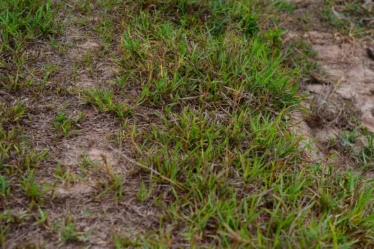
- The grass is brown, yellow, or off-colored.
- The grass is thin or has patches of bare soil where no grass can grow.
- The grass grows slowly during its active growing season.
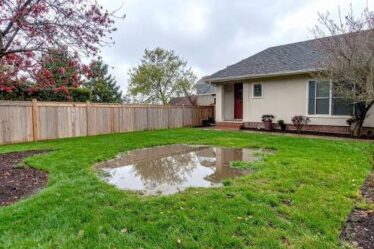
- Low areas of the lawn develop puddles after irrigation or rain.
- Water rolls off high areas of the lawn.
- Weeds, diseases, or pests invade the lawn.
- The lawn develops excessive thatch.
- The lawn has obvious signs of foot traffic, such as a bare path where people or pets frequently walk.
- Trees have exposed surface roots. Take note that some trees naturally have shallow roots, such as ash trees and some maple trees.
Remember that some of these symptoms may signify another problem with your yard, such as drought or low fertility. We cover other possibilities later in this article.
How to test for Compacted Soil
Pierce the ground with a shovel or screwdriver to test the hardness of the soil. Digging into the ground is always a bit difficult, but if the tool won’t budge despite added energy and muscle, the soil is likely compacted.
Perform this test in a few different areas, as some underground obstacles may be blocking the tool, such as rocks.
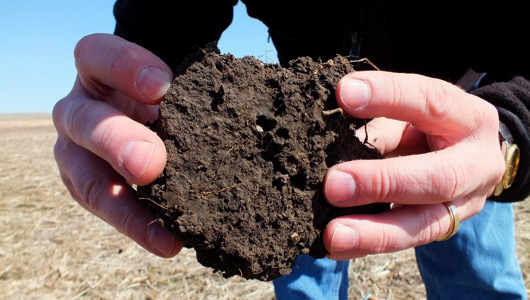
If you’re able to dig up the compacted soil, you’ll notice that the soil has little to no pore space and that the grass has a shallow root system.
Remember: You must call 811 before you dig in the yard. A utility company will send a pro to mark where underground utilities exist. Otherwise, you might damage a utility line by accident.
What causes Soil Compaction?
You should enjoy your yard, but maybe you’ve been hosting one too many barbecues or badminton tournaments. Anything that presses the soil together and eliminates pore space can cause soil compaction, such as:
- High foot traffic: If people or pets frequently walk over the same area, the traffic can lead to soil compaction.
- Wet soil: Amending wet or moist soil or moving heavy equipment over it, such as a lawn mower, can cause it to compact.
- Parking cars on the lawn: The next time you host a barbecue, ask guests to park on the road instead of on your grass.
- Recent construction on the property: Heavy machinery can put significant pressure on the soil.
- Heavy rains: If you’ve been getting a lot of heavy rains, the falling water can press the soil tightly together.
- Over-tilling the soil: A good soil structure has pea-sized lumps of soil with ample pore space. But frequent tilling of the same area breaks the lumps down into small soil particles and eliminates pore space. The next time the soil becomes wet, the tiny particles will form muddy, compact soil.
- Mixing sand with clay soil: According to the Michigan State University Extension, mixing sand with clay soil can give the soil a concrete quality.
How to make your Soil Less Compact
The best way to remedy soil compaction is to perform core aeration on the lawn. Core aeration is the process of removing plugs of soil from the ground. These plugs are approximately 2 to 3 inches long, three-quarter inches in diameter, and 3 to 4 inches apart.
The small holes in the ground allow water, oxygen, and nutrients to penetrate the soil and access the grass roots. The holes also allow the roots to grow and expand into the open space.
Visit your local home improvement store to learn about aerator rental options. Some stores offer hourly, daily, and weekly rentals of core aerators.
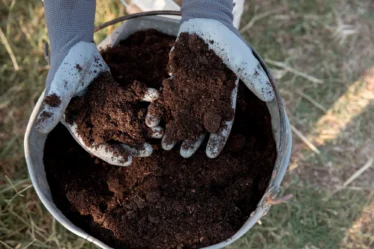
Pro Tip: You can enrich your soil by topdressing with compost after aeration.
Other Reasons for Unhealthy Grass
Some symptoms of compacted soil mimic the symptoms of other lawn issues. If your lawn appears off-colored, has patches, or grows slowly, it may be experiencing the following:
- Wrong grass type: You may have planted a grass type that can’t grow well in your area. Warm-season grasses grow best in the South, and cool-season grasses grow best up North. If you live between the North and South, you can grow either type of grass.
- Dormancy: Lawns turn tannish-brown when they enter dormancy. Dormancy is normal for the lawn and doesn’t negatively affect its health.
- Drought: If your lawn doesn’t get enough water, it will struggle to grow.
- Low fertilization: A healthy lawn needs healthy soil. Soil with low fertility can slow down grass growth.
- Over-fertilization: Applying too much fertilizer to your lawn can damage your grass.
- Excessive thatch: Like compacted soil, thatch can prevent water, oxygen, and nutrients from penetrating the soil surface.
- Pests: Grubs, chiggers, and other pests can jeopardize the health of your lawn.
- Lawn diseases: Fungal diseases like brown patch and dollar spot can cause significant damage to the yard.
- Improper mowing: Poor mowing techniques can be stressful for your turf.
- Improper watering: Watering too often and for short periods discourages healthy root growth.
Leave Lawn Aeration to the Professionals
Compacted soil might ruin your lawn’s curb appeal, but you needn’t let it ruin your weekend. Spend your free time planning the next pool party while a local lawn care professional aerates the soil for you.
Why not hand over all your lawn care to a pro? From mowing the grass to improving soil health, a lawn care expert can revive your lawn’s health and beauty.
Conclusion
Compacted soil can make it difficult for your lawn to receive the water, oxygen, and nutrients that grass roots need. If you notice persistent puddles, weak or slow-growing grass, bare patches, or areas that feel unusually hard, checking the soil for compaction is a useful first step.
The most direct solution discussed in this guide is core aeration, which removes small plugs of soil and creates openings for water, air, nutrients, and roots. After aeration, adding a thin layer of compost can also help improve the soil.
However, remember that symptoms such as yellow grass, poor growth, and bare patches can have several causes, including drought, improper watering, pests, diseases, excessive thatch, and fertilizer problems. Identifying the actual cause before treating the lawn will help you choose the right solution.
With proper aeration and better lawn-care practices, compacted areas can gradually become more suitable for healthy grass growth.
Frequently Asked Questions
How do I know if my lawn soil is compacted?
Hard ground, poor drainage, standing water, thin or yellow grass, shallow roots, and areas affected by repeated foot or pet traffic can all indicate soil compaction. You can also test the soil by pushing a screwdriver or shovel into the ground.
What is the easiest way to test for compacted soil?
Use a screwdriver or shovel to test several areas of the lawn. If the tool is unusually difficult to push into the soil, the area may be compacted. Test multiple locations because rocks or other underground obstacles can also make digging difficult.
What causes soil compaction in a lawn?
Common causes include heavy foot traffic, pets repeatedly using the same area, driving or parking vehicles on the lawn, construction equipment, working on wet soil, heavy rainfall, and repeated tilling.
How do you fix compacted lawn soil?
Core aeration is the main method discussed in this guide. It removes small plugs of soil and creates openings that allow water, oxygen, nutrients, and grass roots to move more easily through the soil.
Can I aerate compacted soil myself?
Yes. Core aerators can be rented from some home improvement or equipment-rental stores. For larger or severely compacted lawns, you may choose to have the work carried out by a lawn-care professional.
Should I add compost after aerating?
A thin layer of compost can be applied after aeration to help enrich the soil. The original guide specifically recommends compost topdressing as a way to improve soil after core aeration.
Can compacted soil cause yellow grass?
It can contribute to unhealthy or discolored grass because compacted soil restricts the movement of water, oxygen, and nutrients to the roots. However, yellow grass can also result from other problems such as drought, low fertility, pests, diseases, or fertilizer damage.
Does foot traffic cause soil compaction?
Yes. Repeated walking or pet activity over the same areas can press soil particles together and reduce the available pore space.
Can mowing cause soil compaction?
Mowing equipment can contribute to compaction, particularly when heavy equipment is repeatedly used on wet or moist soil. Avoid mowing when the ground is excessively wet when possible.
How can I prevent soil compaction?
Reduce repeated traffic over the same areas, avoid driving or parking vehicles on the lawn, avoid working wet soil, and aerate areas that regularly become compacted. Good lawn-care practices can help maintain healthier soil structure.