If you’re searching out a completely unique and sustainable alternative to a conventional grass garden, remember a moss lawn. Moss has been utilized in Japanese garden layout for hundreds of years, and its lush, velvety texture and shiny green coloration can upload a sense of calm and serenity to any out of doors space.
There are several benefits to choosing a moss lawn over a conventional grass lawn. First, moss is noticeably low-renovation. Once hooked up, it calls for very little watering, fertilizing, or mowing, making it a super desire for house owners who need a beautiful garden with out the problem of consistent protection.
What is exactly a Moss lawn ?
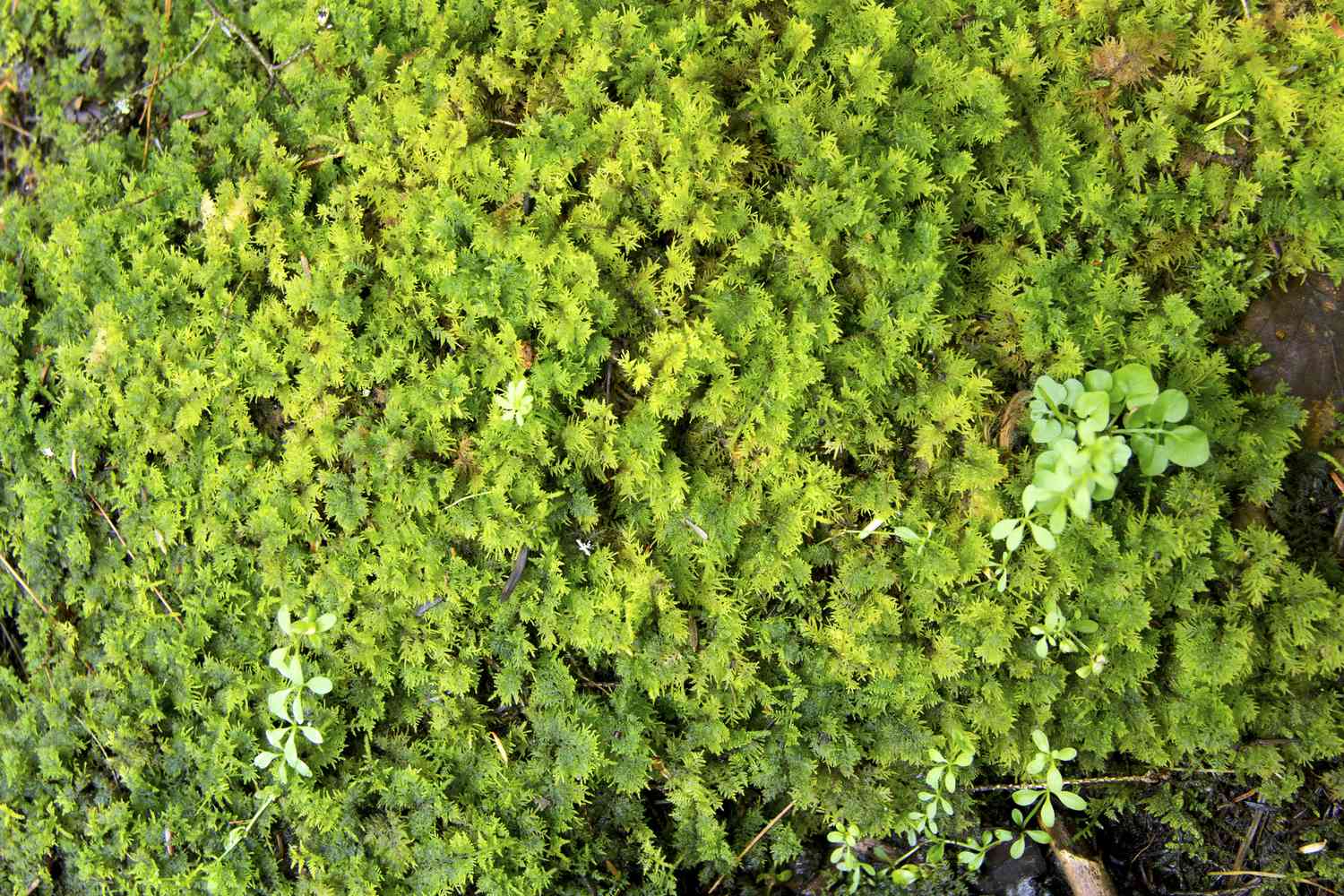
A moss garden is a type of lawn this is predominantly made from moss as opposed to grass. It is an alternative to traditional grass lawns and is gaining popularity because of its low preservation necessities, drought tolerance, and specific look. Mosses are small, non-vascular plants that generally grow in damp and shaded regions.
They do now not have authentic roots, but as an alternative take in water and nutrients immediately through their leaves. Moss lawns are created with the aid of doing away with current grass and encouraging the increase of moss via numerous strategies, including soil instruction, coloration control, and proper watering. Moss lawns are a very good alternative for regions with low sunlight or wherein grass is difficult to grow.
Pros of Moss Lawn Over Turf grass Lawn
there are numerous blessings of having a moss garden over a traditional turfgrass garden, including:
- low renovation: moss lawns require very little protection, particularly while compared to turfgrass lawns. They do now not need to be mowed, fertilized, or watered as regularly, making them a extraordinary option for those who need a low-maintenance lawn.
- Drought tolerance: moss is capable of live on in areas with low water availability, making it a remarkable alternative for regions that experience droughts or have water regulations.
- No chemicals: moss lawns do no longer require the use of chemical compounds which include insecticides or herbicides, making them an green alternative.
- Particular appearance: moss lawns have a unique, smooth and plush appearance that may add texture and hobby to a panorama.
- Color tolerance: moss is capable of develop in areas with low mild, making it a super option for areas which can be shaded by trees or buildings.
- Fee-effective: due to the fact that moss does now not require as tons maintenance, water, or chemical substances as turfgrass, a moss lawn may be a price-effective choice ultimately.
Cons of moss lawn
even as there are many benefits to having a moss garden, there also are some potential negative aspects to consider:
now not appropriate for high-site visitors areas: moss lawns are not as resilient as turfgrass and can be without problems damaged through foot traffic, making them less suitable for areas with high degrees of pastime.
Slow to establish: it may take some time for a moss garden to set up and fill in, which may not be ideal for folks that want a right away lawn.
Limited variety: there are not as many sorts of moss available as there are turfgrass sorts, so the options for developing a numerous landscape with a moss lawn may be limited.
Requires proper conditions: moss lawns require precise developing situations, including moisture and coloration, with a view to thrive. If those conditions are not met, the moss may additionally die off or grow to be ugly.
Types of Moss: How to Choose One
Here’s a quick evaluate of some of the styles of moss and their traits:
atrichum angustatum
this sort of moss is thought for its slender, pointed leaves and can develop in a spread of situations, from moist to dry.
Atrichum undulatum
additionally called “wavy-leaved big name moss,” this moss has curved leaves that provide it a unique appearance. It prefers wet situations and partial shade.
Climacium americanum
this tall-growing moss, also called “tree moss,” can reach heights of as much as 12 inches and prefers wet, shaded areas.
Dicranum scoparium
this form of moss has upright, feathery leaves which can form dense mats. It is adaptable to a spread of conditions, from moist to dry.
Hypnum imponens
additionally referred to as “sheet moss,” this form of moss has skinny, flat leaves that form a dense, low-developing mat. It prefers moist situations and partial coloration.
Leucobryum albidum
this sort of moss, additionally called “pincushion moss,” paperwork dense mounds that resemble miniature bushes. It prefers wet conditions and partial coloration.
Leucobryum glaucum
this sort of moss has silvery-blue leaves that shape dense mats. It prefers moist situations and partial shade.
Polytrichum commune
this kind of moss, also called “haircap moss,” has tall, upright leaves that provide it a grass-like look. It prefers wet conditions and partial color.
Sphagnum spp
sphagnum moss, also referred to as “peat moss,” is a sort of bog moss that prefers moist, acidic soil. It’s miles frequently used for horticultural purposes, such as as a soil change or a planting medium for carnivorous vegetation.
Thuidium delicatulum
this type of moss has delicate, fern-like leaves that form a dense mat. It prefers wet situations and partial shade. Whilst choosing a type of moss to your lawn, it’s far critical to keep in mind the developing conditions in your vicinity, as well as the intended use and desired aesthetic.
Some mosses may be better acceptable to specific climates or developing situations, at the same time as others may be extra tolerant of a much broader variety of situations. Moreover, some mosses may be higher suited to certain uses, along with creating a dense floor cowl or imparting a completely unique texture and appearance.
How to Find Perfect Site for Moss Lawn
- coloration: moss lawns generally thrive in shaded regions, so look for a location that gets a fan of full colour for at the least part of the day. Avoid areas that acquire full solar, as the extreme heat and sunlight can dry out and harm the moss.
- Moisture: mosses require moist conditions to develop, so look for a place that is certainly damp or has a consistent supply of water, inclusive of a nearby stream or pond. Avoid regions which are prone to drought or which have negative drainage, as this will cause the moss to dry out and die.
- Soil ph: mosses pick acidic soil with a ph between five. 0 and 6. Five. Check the soil within the vicinity in which you intend to establish your moss garden to make sure that it falls inside this variety. If the soil is simply too alkaline, you could want to amend it with sulfur or different acidifying dealers.
- Soil kind: mosses pick soil this is wealthy in organic depend and that has a free, porous texture. Keep away from regions with heavy, compacted soil or soil that is negative in natural count.
- Slope: mosses can develop on slopes, but they will require extra water to save you drying out. If you choose to establish your moss lawn on a slope, take into account installing a drip irrigation machine to make sure constant moisture.
- Foot traffic: mosses are not as resilient as turfgrass and can be effortlessly damaged by foot site visitors. Select a vicinity this is faraway from excessive-site visitors areas, which includes walkways or play regions.
Planting & growing a moss lawn
Step-1: prepare the site
step one in establishing a moss garden is to prepare the web page. This includes putting off any present flowers and debris, together with rocks or tree roots, and creating a clean, level floor. It’s also important to check the soil Ph to make certain that it falls inside the range of 5. Zero to six. Five, that is top-quality for moss boom. If the soil Ph is simply too high, you could want to amend the soil with sulfur or other acidifying sellers.
Step-2: select the proper moss species
selecting the right species of moss is essential to the fulfillment of your moss lawn. Some not unusual species of moss which can be suitable for lawn use encompass polytrichum commune, hypnum imponens, and thuidium delicatulum. I’ve cited one of a kind sorts of moss species above. Pick one this is quality desirable for your site.
Step-3: plant the moss
as soon as you’ve got selected your moss species, it is time to plant. You may either use live moss vegetation or a moss slurry to establish your garden. Stay moss plant life can be purchased from nurseries or on-line suppliers, whilst moss slurry may be made by using blending live moss with buttermilk or yogurt to create a thick, spreadable mixture. To plant the moss, spread a skinny layer of the moss slurry or live moss plant life over the organized website. Use a rake or other tool to press the moss into the soil and ensure precise touch. Water the website lightly to encourage the moss to set up.
Step-4: keep the moss lawn
moss lawns require minimal protection, however there are some matters you could do to ensure their health and longevity. Water the moss lawn often, specifically during dry periods, to preserve the moss wet. Keep away from overwatering, as this could cause the growth of algae or other unwanted plants. Moss lawns do no longer require mowing, but you can need to trim any overgrown or unruly patches with scissors or shears. Remove any fallen leaves or debris from the moss lawn to prevent buildup and enhance air circulate.
Step-five: troubleshoot not unusual problems
while moss lawns are noticeably low-renovation, there are a few not unusual issues which can get up. Here are a few solutions to common moss lawn issues:
moss is popping brown or drying out: this may be a signal of inadequate moisture. Water the moss garden more regularly or install a drip irrigation device to make sure regular moisture. Moss is being overtaken through weeds or other unwanted flora: this will be a signal of poor soil situations or insufficient color. Test the soil ph and modify as wished, and don’t forget including extra colour to the location. Moss is being broken through foot site visitors: mosses aren’t as resilient as turfgrass and may be without problems damaged by means of foot visitors. Don’t forget redirecting foot visitors away from the moss garden or putting in stepping stones or a course via the vicinity.
Professional pointers
right here are a few professional recommendations on developing a moss garden:
- select the right moss species: extraordinary moss species have distinct growing necessities, so it’s essential to select the right moss species to your website. Remember elements together with sunlight, soil acidity, and moisture degrees when choosing the moss species.
- Put together the website online properly: moss lawns require a well-prepared website online for finest increase. Put off any existing plant life or particles, ensure the soil ph falls within the perfect range for moss, and create a smooth and stage floor.
- Use a moss slurry: moss slurry is a mixture of live moss, water, and a binder along with buttermilk or yogurt. It is able to assist to establish a moss garden fast and efficiently. Practice the moss slurry frivolously over the prepared website online, press it into the soil, and keep it wet to encourage the moss to develop.
- Water frequently: moss lawns require regular moisture to thrive. Water the lawn regularly however keep away from overwatering, as this may cause the moss to rot.
- Keep away from fertilizers: mosses are very touchy to fertilizers, so avoid the use of any fertilizers on your moss garden. Instead, consciousness on keeping soil moisture levels and making sure right ph levels.
- Manipulate foot traffic: mosses are sensitive and can be effortlessly broken by foot traffic. Try and redirect foot site visitors away from the moss lawn, or installation a path to save you harm.
- Prune regularly: mosses don’t require mowing like conventional turfgrass lawns, however they do benefit from ordinary pruning to govern growth and eliminate any lifeless or brown patches. Use scissors or shears to trim any overgrown or unruly patches.
- Provide colour: most moss species opt for shady situations, so presenting colour can assist your moss lawn thrive. Don’t forget planting timber or putting in color fabric in case your web site receives an excessive amount of daylight.
In Conclusion
A moss garden can be a stunning and sustainable opportunity to a conventional grass garden. While there are some drawbacks to bear in mind, the benefits of a moss lawn make it a exquisite choice for house owners who want a low-protection, eco-friendly lawn that provides a completely unique touch to their landscape layout. Through following the recommendations above, you may create a lush, velvety moss garden as a way to be the envy of your acquaintances.