It is common to find mushrooms in the lawn or garden especially during the rainy seasons. They have rooting systems called mycelia which exist underground, with the ability to grow up to half a mile per day. While mushrooms in lawn can present an interesting scenery, some species of the fungus can be poisonous to animals and human beings. Let’s find out the reason for mushrooms in the lawn and how to get rid of them.
Why are Mushrooms Growing in my Lawn?
Mushrooms are fleshy fruiting bodies of fungi that spread through spores. They thrive in moist, dark humid areas while thriving on decomposing organic waste materials such as fallen twigs, buried wood, drying tree roots and stumps, animal waste, grass cuttings and leaves among many more.
While most people believe that mushrooms in the lawn mean bad to the grass, it is actually a sign of a healthy nutritious soil. Active microbial activity brought about by microbes and fungi in the soil helps in decomposing organic matter, mixing up of soil and release of essential nutrients into soil beneficial for plants growth.
Mushrooms in the garden are also a sign that the soil may be having excess moisture due to poor drainage or a lawn is not receiving sufficient sunlight. This servers as an insight on where improvements are needed. A gardener should therefore think about improving the soil drainage or lighting conditions in the lawn.
How to Get Rid of Mushrooms in the Lawn
Mushrooms are likely to disappear on their own when left alone. However, due to health concerns, The best way to prevent mushrooms from growing in a lawn is to monitor and control the conditions they need to thrive in the garden. So, to tackle mushrooms in your garden, follow the below tips
1. Pull them out manually
Pulling them out or knocking them down will definitely stop them from growing. Collect the pieces and throw them away into the compost pit or garbage bin.
2. Remove their food
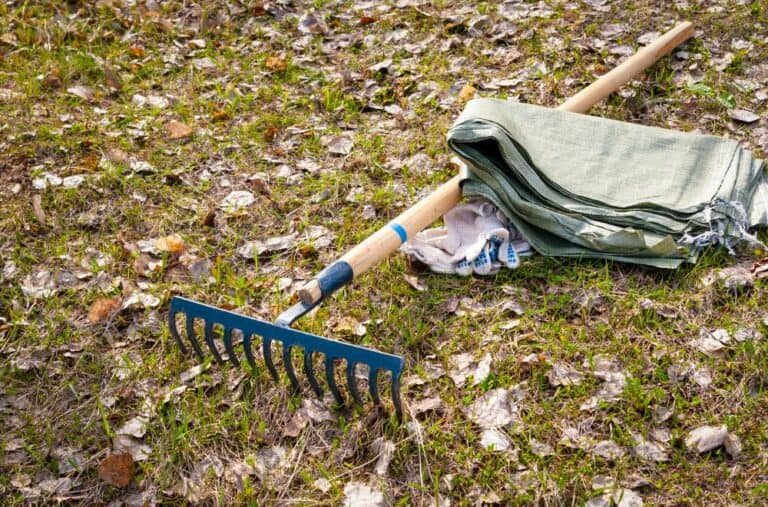
As mentioned mushrooms thrive on decomposing organic matter, check and remove such materials from your lawn. Pick up leaves, twigs, mulch and any other organic waste materials laying in the lawn.
If the fungi food sources such as decomposing wood or tree roots are hidden below the soil, consider digging up to remove them.
3. Mow your lawn short
To prevent the growth of lawn mushrooms, mow the grass regularly to keep it short. This allows in more sunlight, reduces moisture retention levels and enhances air circulation. Remember not to mow over mushrooms or their remnants to avoid spread of spores or reappearance.
4. Remove standing water in your yard
Remove any standing water in the yard to prevent excess moisture in the soil. You should consider limiting the amount of water you sprinkle on your lawn or garden.
5. Trim nearby tree branches blocking sunlight
Cut any nearby tree branches to allow more sunlight which will drive away excess humidity from the grass. Aerate the soil and remove any obstacles that prevent flow of water, air and sunlight respectively.
6. Request professional help
Severe mushrooms infestation of the garden may need professional help. The whole soil may be treated or be replaced and a new lawn be started from a scratch again. A special fertilizer may be used when planting grass to prevent reappearance of mushrooms.
Can you use a Fungicide to Kill Mushrooms?
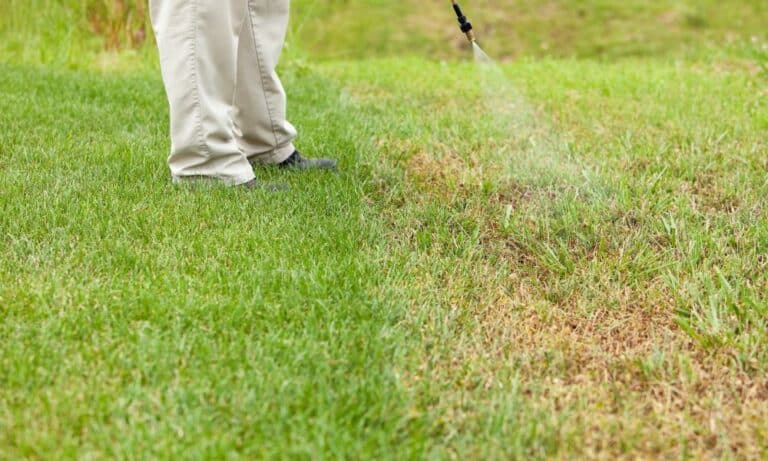
While a fungicide contain chemical compounds that kills parasitic fungi and their spores, the method can affect the acidity of your lawn soil and affect other lives in the yard.
Mushrooms form part of garden ecosystem and applying a fungicide will kill even the beneficial microbes in the soil. This will stop all microbial activities in the soil and thus a big loss to the plants.
In addition to that fungicides are poisonous to aquatic life, pets and humans. They can be washed down into the nearby water bodies or pipes thus posing a serious health risk. It is therefore not recommended to use a fungicide to kill mushrooms in your lawn.
Are Lawn Mushrooms Poisonous?
Most wild mushrooms are highly poisonous to humans and animals. It is possible for poisonous mushrooms to grow in your lawn. Sometimes they look attractive and you will find kids or your pets interested in tasting them.
There is no clear way of identifying a poisonous mushroom unless a sample is taken to the lab for scientific analysis. Avoiding any kind of mushroom that grow in your backyard is the only way of preventing any trouble. If you cannot keep kids or pets from them, then think about getting rid of the mushrooms in your lawn immediately.
Conclusion
There are plenty types of lawn mushrooms, some which are edible and others poisonous. It can be difficult to tell if the mushrooms growing in your lawn are safe or poisonous. To be on the safer side, remove them before kids or pets can access and ingest them.
Frequently Asked Questions
1. Why are mushrooms growing in my lawn?
Mushrooms grow in lawns because the soil contains excess moisture and decomposing organic matter such as dead roots, leaves, wood and grass clippings.
2. Is mushrooms in the lawn bad for the grass?
In many cases, mushrooms are actually a sign of healthy soil with active microbial activity that helps break down organic matter and release nutrients for plant growth.
3. Are lawn mushrooms dangerous for grass?
Some lawn mushrooms can be poisonous to humans and pets. Since it is difficult to tell which mushrooms are safe, it is best to avoid touching or eating them.
4. How does mushrooms spread in the lawn?
Mushrooms spread through tiny spores released into the air. Their underground root-like network, called mycelium, can grow rapidly beneath the soil.
5. Can mushrooms disappear on their own?
Yes. Many mushrooms disappear naturally once moisture levels decrease.
6. What is the easiest way to remove mushrooms from lawn?
The easiest way is to pull them out manually and dispose them in a garbage bin or compost pile.
7. How can I get rid of mushrooms in my lawn ?
- Pull them out manually
- Improving drainage
- Remove standing water in your yard
- Increasing sunlight exposure
- Mowing regularly
- Request Professional help
8. Does sunlight help prevent lawn mushrooms?
Yes. Allowing more sunlight into the lawn helps reduce moisture and humidity levels.
9. Why should standing water be removed from the yard?
Standing water creates excess moisture in the soil, which encourages fungal growth and mushroom development.
10. Is it safe to use fungicides on lawn mushrooms?
Fungicide contain chemical compounds that kills parasitic fungi and their spores, the method can affect the acidity of your lawn soil and affect other lives in the yard.
11. Can mushrooms damage my lawn?
Mushrooms themselves usually do not damage grass directly, but they can indicate underlying moisture or drainage problems that may affect lawn health.
12. Can I call a professional for mushroom infestations?
Yes. If mushrooms keep on returning or spread heavily across the lawn, a lawn care professional help may be needed to identify and solve the underlying problem.
13. Is it all lawn mushrooms poisonous?
No. Most wild mushrooms are highly poisonous to humans and animals. It is possible for poisonous mushrooms to grow in your lawn. Sometimes they look attractive and you will find kids or your pets interested in tasting them.
There is no clear way of identifying a poisonous mushroom unless a sample is taken to the lab for scientific analysis.