When the winter weather comes and begins to pass, and you know spring is just around the corner, your thoughts should be turning to your lawn.
If you want a perfect summer lawn, the work starts as soon as winter is over – so here are our top tips for spring lawn care.
Type of grass matters
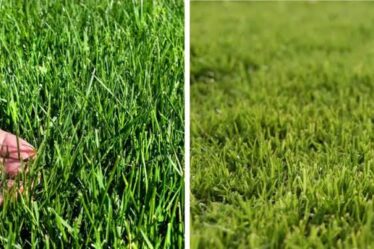
The species of grass in your lawn will depend largely on the climate where you live. Generally speaking, there are two types of grass, cold-season grass, and warm-season grass.
Common cold-season grasses include fescue, bluegrass, and rye; warm-season grasses used for lawns include zoysia, St Augustine, centipedegrass, and Bermuda.
Tips for caring for Your Lawn in Spring
As we’ve already mentioned, if you want a beautiful green lawn for the summer when it’s time for picnics and barbecues, you need to put the work in earlier in the year.
There are quite a few things that need to be done, but you won’t necessarily need to do them all every year – it will depend on where you live and how your lawn is looking at the end of winter.
1. Spring Clean Raking
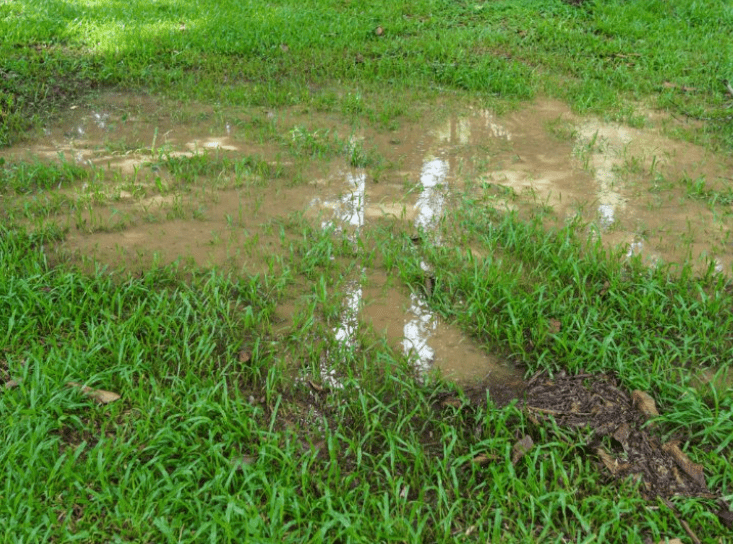
The first thing you need to do at the start of spring is to give your lawn a good rake. However, the most important thing here is not to be too eager. You need to wait until the soil dries out or you will end up compacting the soggy soil and may damage tender shoots that are just starting to grow.
When you start raking, you shouldn’t rip the grass to shreds, but at the same time, you need to rake with a certain amount of vigor.
2. Weeding
At the beginning of spring, you have a decision to make. You can choose to attack the weeds that try to infest your lawn of you can decide to reseed bare patches.
In fact, both can also be done in fall so it’s a matter of prioritizing. If your lawn is full of bald patches, you probably want to deal with that first; otherwise, applying pre-emergent herbicide will help you defeat the weeds that will try to take over.
3. Seeding
If you decide your lawn is looking bare and your priority for this year is to try to fill in those unsightly gaps, you should opt for overseeding instead of weed control. Note that fall is considered a better growing season, so only seed in spring if absolutely necessary.
Here, the type of grass you are growing matters a great deal; cold-season grass should be planted once the soil temperature reaches 50°F but the warm-season grass needs soil at 60°F before it will grow.
Whatever type of grass you are growing, you should plant it as soon as the temperature is high enough.
Remember also that the job doesn’t finish with sowing the seeds. You should make sure the sown area receives enough water and you may also choose to help by using a slow-release low-nitrogen lawn fertilizer.
4. Fertilizing
If you have cold-season grass, it will go through two main periods of growth during the year, the first in spring and then a more intense one in the fall.
This means that if you must fertilize, do so in moderation – over-fertilizing in spring will promote the growth of shallower roots and intense shoot growth. Grass that grows like this will not be well enough established to survive the hotter, drier months to come.
This will also encourage the growth of weeds, which you will then need to deal with later.
5. Check soil quality
Most grasses prefer soil that is pH neutral (that is, neither acid nor alkaline). However, over time, the acidity or the soil may change. One good indicator of increased acidity is the appearance of moss; if you spot moss growing in your lawn, you should take a soil sample and send it off for testing.
If you discover that the pH level of your soil has dropped (meaning the soil has become more acidic), you can treat it with lime.
When you receive the results of the soil test, you can also ask for advice regarding how much lime is required.
6. Check for Compaction and Consider Aerating
If the ground becomes too compacted – this may happen in areas that are often walked on or for other reasons – it becomes much more difficult for grass to take root.
If you are trying to reseed an area of compacted soil, the new plants will have trouble establishing themselves; in areas where the grass is already growing, your lawn may also struggle to thrive.
If your grass is unable to grow, it will also open up an opportunity for weeds to establish themselves – hardier plants will manage to grow where grass cannot. As well as weeds, another sign to look for is moss, which will also take advantage of compacted ground where grass doesn’t grow.
7. Mowing
When we talk about caring for a lawn, probably one of the first things that come to mind is mowing. Of course, at its most basic level, this just means running the lawnmower over the grass to keep it short, but if you want a perfect lawn, you need a deeper understanding than just this.
When should you start mowing? There is no specific rule for this; you can start mowing your lawn as soon as it needs it. The only thing to be careful about is mowing while the soil is still wet – passing a lawnmower over wet ground is a sure way to end up with compaction.
For this reason, only cut off the top part of the grass and leave enough for the rest of the plant to remain healthy. How much should you take? This depends on the species, but there are some guidelines to follow. For example:
- Bermuda grass: 1-2 inches
- Fescue: 2-3.5 inches
- Kentucky bluegrass: 2-3.5 inches
- Augustine: 2-4 inches
- Zoysia: 0.5-1.5 inches
8. Mower maintenance
Once the summer really begins, you are going to be mowing your grass more often, especially if you have a warm-season species. This means early spring is also the time to ensure your mower is in good condition for the rigors that lie ahead.
Just like a car having its annual service, you should check all the different parts of the mower. Remove fuel from the previous year and replace it with fresh fuel, change the oil, check the blades and so on.