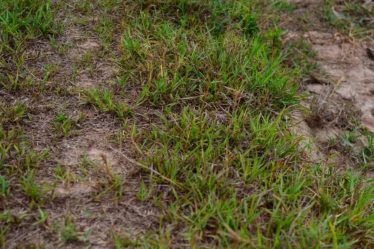
A lush, emerald-green, perfectly flat lawn is the hallmark of a well-kept home. It creates an inviting outdoor space for relaxing or simply enjoying nature. However, maintaining that pristine look requires more than just regular mowing, watering, and fertilizing. Over time, lawns naturally become bumpy, accumulate a layer of thatch, suffer from soil compaction, and develop minor low spots.
lawn topdressing is one of the most effective ways to restore and improve your lawn. Whether you are aiming to smooth out a bumpy yard, enhance poor soil composition, or rescue a tired turf, topdressing can completely revitalize your outdoor living space.
This comprehensive guide for beginners covers everything you need to know about lawn topdressing.
What Is Lawn Topdressing?
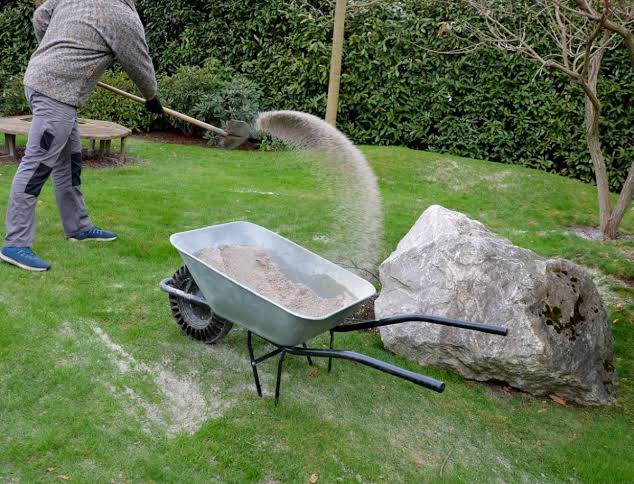
Lawn topdressing is the process of spreading a very thin, uniform layer of specialized soil or organic material over the surface of an exiting lawn.
Unlike planting a new garden bed or laying new turf where you bury the earth completely, topdressing requires a delicate touch. The goal is to let the material filter down through the grass blades and settle directly into the root zone and thatch layer without completely smothering the living grass.
As lawns age, soil undergoes natural settling, microbial activity breaks down organic matter underneath, and heavy foot traffic causes soil compaction. Topdressing serve as a rejuvenating tonic which introducing fresh organic compounds, correcting micro-topography (small bumps and dips), and integrating seamlessly with your existing soil profile.
Benefits of Topdressing
Add topdressing to your annual lawn care schedule will offers a multitude of long-term benefit and structural advantages:
- Smooths Out Bumps and Dips: Walking across an untreated lawn can often feel like navigating a minefield of ruts and divots. Topdressing fills in shallow depressions over time, creating a level surface that makes mowing easier and safer.
- Improves Soil Structure and Drainage: If your yard features heavy clay or sandy earth, topdressing allows you to introduce complementary soil amendments. A balanced mixture will modifies the root zone structure, drastically improving water infiltration and reducing puddling.
- Accelerates Thatch Breakdown: Thatch is a tightly interlocked layer of dead and living organic matter (such as stems and roots) that builds up between the green vegetation and the soil. Topdressing introduces beneficial microbes and earthworms directly into the thatch layer, accelerating natural decomposition.
- Boosts Nutrient Retention: Adding compost-rich mixtures infuses the turf with slowly releases organic nutrients, reducing your reliance on synthetic chemical fertilizers.
- Enhances Seed-to-Soil Contact: When paired with overseeding (planting new grass seed into an existing lawn), topdressing creates a protective, moisture-retaining blanket that dramatically improves seed germination rates.
Best Materials to Use
One of the most critical steps in topdressing is selecting the right material. Never walk into a garden center and buy generic, heavy topsoil or 100% compost to dump across your lawn. Doing so can suffocate your grass, introduce weeds, or create a barrier that repels water.
Instead, you need a be carefully measured material suited to your lawn’s specific underlying soil structure:
1. The Standard 70/30 Mix
Considered the gold standard by professional groundskeepers and golf course superintendents, a 70/30 mix consists of:
- 70% Horticultural Sand: Provides structure, resists compaction, and maximizes drainage. (Note: Always use sharp horticultural sand or masonry sand, never fine beach sand or builder’s sand, which can harden like concrete).
- 30% Organic Compost or Sterilized Loam: Supplies essential nutrients, retains vital moisture, and feeds beneficial soil microbiology.
2. Matching Your Native Soil
- For Heavy Clay Lawns: If your yard is dominated by sticky, compact clay, your topdressing mix should more sand 80/20 sand-to-compost ratio) to break up the dense consistency and improve percolation.
- For Sandy Soils: If water drains through your lawn too quickly and washes away nutrients, use a mix higher in well-rotted organic compost or fine peat-free organic matter to increase moisture retention.
When to Topdress Your Lawn
Timing plays major roles when altering your lawn’s surface profile. You must topdress only when the grass is actively growing and strong enough to push its way up through the added material.
- Cool-Season Grasses (Kentucky Bluegrass, Fescue, Ryegrass): The optimal windows are early to mid-autumn or early spring. Autumn is widely favored because the soil is still warm, evening temperatures are mild, and seasonal rainfall helps settle the dressing naturally.
- Warm-Season Grasses (Bermuda, Zoysia, St. Augustine): Target late spring to early summer right as the grass exits dormancy and enters its most aggressive period of vertical and lateral growth.
Note: Avoid topdressing during periods of extreme drought, freezing winter weather, or prolonged soggy, waterlogged conditions. Applying soil to stressed or dormant turf can easily kill large patches of grass.
Step-by-Step Guide To Lawn Topdressing
Following a structured process will ensures clean and professional results.
[Mow Short] ➔ [Aerate / Scarify] ➔ [Distribute Piles] ➔ [Spread & Level] ➔ [Brush & Water]
Step 1: Mow the Lawn Short
A few days before you plan to topdress, mow your lawn roughly one notch lower than your normal cutting height (aim for about 1.5 to 2 inches). Be careful not to scalp the turf. Bag your clippings. This ensures the topdressing material reaches the soil line rather than resting uselessly on top of tall, floppy blades.
Step 2: Aerate the Lawn
To maximize the impact of your topdressing, clear away dead debris. If your soil is compacted, run a core aerator across the lawn beforehand. Core aeration pulls small plugs of soil out of the earth, creating channels that allow your topdressing mix to plunge deep into the root zone.
Step 3: Distribute Small Piles
Using a shovel and a wheelbarrow, deposit small, manageable mounds of your topdressing mix evenly across the work area. Spreading out the piles beforehand prevents you from having to drag heavy heaps of soil across long distances later.
Step 4: Spread and Level
Use a landscaping rake, a specialized lawn leveling lute, or a rigid push broom, push and pull the soil piles across the turf.
- The objective is to deposit a uniform layer measuring between 1/4 inch to 1/2 inch thick.
- The Golden Rule: Never bury your grass blades completely. The tips of the grass must remain visible above the soil surface to capture sunlight and continue photosynthesizing.
Step 5: Brush the Lawn
Go over the entire area with a stiff-bristle push broom. Sweeping back and forth forces the remaining loose particles down into the lower canopy, ensuring the grass blades stand upright. If you are also looking to thicken your turf, broadcast grass seed across the area immediately after leveling.
Step 6: Water Gently
Give the entire lawn a thorough, gentle watering using a sprinkler system or a hose nozzle equipped with a shower setting. This settles the fine particles tightly around the roots, washes residual dust off the foliage, and kickstarts the recovery process.
How Often Should You Topdress?
To topdress depends entirely on the condition of your landscape:
- For Maintenance Lawns: If your lawn is relatively healthy, flat, and free of major drainage issues, topdressing once every 1 to 2 years is more than sufficient.
- For Problem or Bumpy Lawns: If you are trying to correct significant dips, fix rough terrain, or transform poor native clay, you can topdress once a year for a couple of consecutive seasons until the desired grade is achieved.
Remember the philosophy of “little and often.” It is always safe to apply two thin layers spaced six months apart than to attempt a massive, suffocating single application.
Mistakes to Avoid
Topdressing is a straightforward process, but several common mistakes can lead to trouble if overlooking fundamental lawn care rules. Steer clear of these common missteps:
- Applying Too Thickly: Piling on an inch or more of soil in one go will suffocate the grass plants, blocking critical sunlight and airflow, resulting in large dead patches.
- Using Poor Soil Quality: Cheap topsoil often contains weed seeds, stones, and large debris that will ruin your lawn’s appearance and create extra weeding work. Always purchase screened, certified products.
- Topdressing During Dormancy: Never apply soil when the grass is completely dormant (scorched summer heat or frozen winter) because the turf cannot recover or grow through the layer.
- Mowing Too Soon After Application: Give your lawn at least 1 to 2 weeks to settle before taking a lawnmower to the area. Mowing too early can cause your mower blades to scalp the new mix, scatter the material unevenly, and strain your equipment.
Conclusion
Lawn topdressing is one of the most effective process that requires patience, physical effort, and precise execution. By selecting the correct sand-and-compost composition, respecting the golden rule of thin application, and timing your project to coincide with peak grass growth, you can completely eliminate surface bumps, upgrade your soil biology, and secure a dense, resilient turf. Remember that patience is key. Lawn improvement doesn’t happen overnight, but consistent care and proper topdressing techniques will produce lasting results season after season. Whether you’re maintaining a small backyard or a large landscape, adding topdressing to your lawn care routine is a worthwhile investment that will reward you with a smoother, greener, and healthier lawn for years to come.
Frequently Asked Questions
Can I topdress my lawn without aerating?
Yes, you can topdress without aerating. Aeration simply helps the soil reach deeper into the root zone faster, but spreading material directly onto the surface still provides excellent benefits, especially for smoothing minor surface bumps. That said, if your lawn suffers from noticeable compaction—common in yards with heavy foot traffic, pets, or clay-based soil—pairing topdressing with core aeration will produce dramatically better long-term results by giving the mix a direct channel into the root zone.
How long will it take my lawn to recover again after topdressing?
Expect your lawn to look a bit dusty, sandy, or patchy immediately following the procedure. However, with proper daily watering and active growing conditions, the grass will typically push completely through the dressing within 7 to 14 days, returning to a lush green appearance. Cooler, overcast weather can slow recovery slightly, while warm, humid conditions with consistent moisture tend to speed things along.
Can I use topsoil straight from my garden beds for topdressing?
No. Garden soil is generally too heavy, structurally inconsistent, and packed with weed seeds. Always use a dedicated, commercially blended lawn dressing mix containing balanced sand and organic compost.
How much topdressing material do I actually need?
As a rough rule of thumb, one cubic yard of topdressing mix covers approximately 1,000 to 1,300 square feet at the recommended 1/4-inch to 1/2-inch depth. Before ordering, measure your lawn’s total square footage and use an online topdressing calculator, or ask your supplier to calculate volume based on your target depth. It is always better to slightly overestimate than to run short mid-project, since matching a new batch’s texture and color to material already down can be tricky.
Do I need special equipment, or can I do this by hand?
Small residential lawns (under a few thousand square feet) can absolutely be topdressed by hand using a wheelbarrow, shovel, and a landscaping rake or leveling lute. For larger properties, mechanical topdressing spreaders can be rented from equipment rental companies and will save significant time and physical effort.
Can I topdress a newly seeded lawn or freshly laid sod?
It’s best to wait until the new grass established, whether seeded or sodded, needs time to establish a strong root system before you add any extra weight or material on top. Most experts recommend waiting until the lawn has been mowed several times (typically one full growing season) before its first topdressing application.
Is topdressing the same as overseeding?
No, though the two are often done together. Topdressing refers specifically to spreading soil or compost material across the lawn surface. Overseeding refers to spreading grass seed to thicken existing turf. Many lawn care professionals combine the two: seed is broadcast first, then a thin topdressing layer is applied on top to protect the seed and retain moisture, which significantly boosts germination success.
Will topdressing get rid of lawn weeds?
Topdressing itself won’t directly eliminate existing weeds, and if you use unscreened or low-quality material, it can actually introduce new weed seeds. However, a thick, healthy lawn produced through consistent topdressing, aeration, and overseeding will naturally outcompete weeds for light, water, and nutrients over time, making it much harder for weeds to establish a foothold.
How soon can I walk on my lawn after topdressing?
Light foot traffic is acceptable after the material has settled and the lawn has been watered. However, avoid heavy use for one to two weeks, particularly if you’ve overseeded, to allow the grass to recover properly.
Can topdressing fix a lawn with severe drainage problems?
Topdressing can meaningfully improve minor to moderate drainage issues by amending the top few inches of soil structure, especially when paired with core aeration. However, if your yard has significant grading problems, a high water table, or compacted subsoil several inches down, topdressing alone will not solve the issue. In those cases, you may need professional grading, French drains, or a dedicated drainage system in addition to routine topdressing.