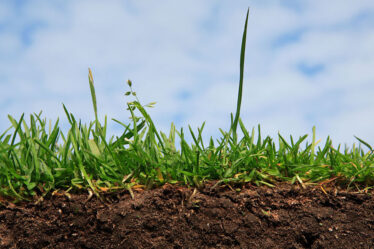
Not Everybody born with green fingers, and for some of us, it can be challenging to have something as ordinary as grass growing well. Starting a newly seeded lawn only to be disappointed when it was infested by weeds a few weeks later?
Having this, then this article is for you. Having the perfect lawn doesn’t have to be something that only belongs to your neighbors. By following our tips, the grass can be greener on your side, too.
Unrooting the Issue Before it Begins
When it comes to newly seeded lawns, this can make things a lot easier, if preventing the weeds from infesting and shooting roots in the first place. Knowing what to do when seeing the first signs of roots can prevent roots from becoming established in the lawn.
What should we do to prevent weeds from rooting?
1. Seed Selection is Key
The seed choosing is essential here because we want to choose the seeds that won’t contain any weed seeds. By selecting seeds that are free of any other seeds, we’ll avoid the possible spreading of weed seeds while you are seeding your lawn.
How do we know if seeds are weed seed-free?
It is crucial that you read the packing when you are looking at seeds. Reading the packing will enable you to know what the contents are, and you should look for seeds that are labeled “weed seeds 0%.” Some packaging will describe weed-free seeds as “other crop seeds 0%”.
Another common overseen factor is the process where we might cut down weeds by using a weed eater. This could quickly spread the seeds of weeds and thereby risk possible contamination of your newly seeded lawn. A string trimmer is a much safer option when it comes to removing weeds without spreading their seeds.
2. Mulch Matters
This isn’t uncommon for people to use mulch to assist in the spreading of grass seeds. It is not problematic to use mulch, but need to select the right kind of mulch. It is vital to steer clear from using hay mulch.
People used to use hay mulch years ago, but it has a very high contamination rate when it comes to weed seeds, so you should never use hay mulch.
If we are keen to use mulch, I recommend that we use paper pellets instead. Not only do they protect the new seeds, but they help hold water, and they block weeds from rooting.
3. Nurture VS Nature
Healthy grass that is flourishing doesn’t leave any space for weeds to creep in. It is true that when your seedlings are barely just sprouting, they can’t do much against the weeds themselves. However, by proper nurturing, they will grow quickly and healthily, and before you know it, there isn’t any space left for weeds to fester.
It is crucial that you follow the correct practices to keep your seedlings healthy. This includes keeping your seedlings watered and fed. You should always avoid cutting them too early or too short. By providing the best possible beginning to your seedings, you make it very challenging for weeds to invade.
4. Watering
One of the most important things to do with newly seeded lawn patches is to give enough water. We need to wet the soil down, reaching at least 6 to 8 inches. However, taking care not to watering too harshly as it can lead to washing new seeds away or creating puddles.
5. Ease up on watering after germination
We can lessen the watering as the newly seeded lawn patch becomes more established, but it depends on the weather. Watering every day after germination can lead to overwatering, resulting the seed to becoming rotten and its root growth inhibited.
How do We know how much water is just right?
If the lawn is covered with new seedlings, It can be skip a day of watering, but must keep an eye on the grass. If there is a color change from bright green to dull green, water the grass.
However, if there isn’t a color change, the grass is ready for the watering schedule. To find an ideal watering schedule for your lawn, It can be stretch the time between watering sessions, with the goal being a schedule of once or twice a week or if you are in a scorching and dry area, as needed. Let not forget to water deeply when the water getting the moisture down 6 to 8 inches.
6. Fertilizing and mowing young seedlings
Seedlings should be at least 4 inches before mowing them. It is better to wait until the soil is dry before mowing. This will help prevent the tearing up of new turf. Also be sure that the mower is set to the correct setting. We don’t want the seedlings to be shorter than 3 inches.
What Should We Do if Already Have Weeds?
Sometimes no matter how hard we have tried, weeds invade that vulnerable space of newly planted grass. Most gardeners deal with weeds at some point, so it is beneficial to know how to deal with weeds. There are a few strategies that can be implemented. The most important of these are:
1. Watch The Grass Closely
Special attention should always be paid to newly seeded grass. In addition, we should be on the lookout for infestations of weeds because it is much easier to keep an early weed infestation under control than one that has already been established.
2. Individually remove weeds
The best thing to do when we see weeds shooting up is to remove them individually. This is the most effective way to keep the weed seeds from spreading.
A safe way to remove weeds is to take hold of them at the base and then pull up slowly. Avoid tugging too harshly because you don’t want to remove only part of the weed while leaving the roots firmly in the ground. If the roots or even just parts of the roots remain, the weed will continue growing. So instead, you want to remove the entire weed.
If we are struggling with more extensive roots, it might be helpful to use a hand shovel first. We can use it to dig around the weed, making it easier to remove the entire weed.
What should you do with removed weeds?
We don’t want to give any removed weeds a chance to spread their seeds over your newly seeded lawn. Therefore, We need to dispose of any weeds you have removed. It is also necessary to fill up the holes left by the pulled weeds to prevent new weeds from taking their place.
Can We put the removed weeds into your composter?
It is not a good idea to place the removed weeds in your composter because you could risk spreading weed seeds.
3. Avoid using weed killers too soon.
It might be tempting to apply weed killer the moment you see that first weed pop out. However, if you use weed killer on newly seeded lawn that isn’t mature enough, the grass and weeds may die. It is a much better approach to remove the weeds one by one if there are only a few weeks.
However, if you are dealing with a considerable weed infestation that can’t be removed by hand, it is best to wait until your grass is more mature before applying weed killer. Your newly seeded lawn should have been mowed at least twice before you should use any weed killer.
4. Using a post-emergent weed killer after the second mowing of the lawn.
We can think about using weed killer after giving your lawn enough time to mature, allowing for at least two mowing. If We encounter issues with broadleaf weeds like dandelions, this is the right course of action to take now.
Let’s be sure to examine the label when working with weed killers carefully. It will specify the waiting time between the weed killer application and germination. It is essential to stick to the waiting time to avoid damage to your lawn.
5. Issues with crabgrass
The process for dealing with weeds such as crabgrass differs because they grow annually. Since these weeds die in the winter, it is better to wait for them to die instead of treating your lawn with weed killer. Once they have died and dried up, remove them, and then in spring, apply a pre-emergent weed killer to your lawn. By doing this, you will be preventing them from returning to your lawn.
Final Thought
Having a beautiful lawn is something every homeowner wants to have. We can have a weed-free lawn in no time if we nurture the newly seeded lawn and keep an eye out for weeds. It is a commitment that requires time and effort, but it will be worth it when having the perfect lawn that is lush and healthy.