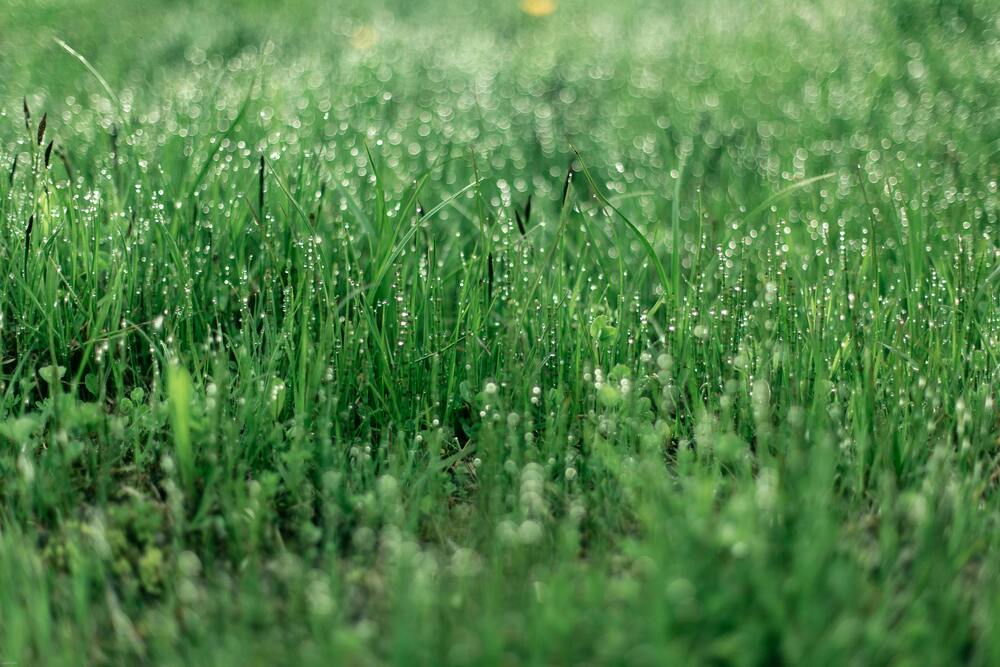
Can you cut grass while it’s wet? When your lawn is soaked from rain or dew, you may wonder if it’s okay to mow. For best results, you should wait until your lawn dries first.
Wet grass can make it harder to achieve an even cut, cause clippings to clump, increase the chance of mower clogging, and create unsafe mowing conditions.
Wet soil can also be damaged more easily by mower wheels, particularly when the ground is saturated.
Mowing the lawn while it’s wet can cause:
1. Uneven Cuts
A mower works best when the grass blades are standing relatively upright, when grass is wet, water can weigh the blades down and cause them to bend. Some blades may therefore escape the mower blade during the first pass.
After the lawn dries, you may notice:
- Uneven patches
- Longer blades mixed with shorter ones
- Grass that appears flattened
- Areas that need to be mowed again
Waiting until the grass is dry generally makes it easier to achieve a more consistent cut.
2. Wet Grass Can Clump Together
One of the most noticeable problems with mowing wet grass is clumping.
Wet clippings tend to stick together instead of spreading evenly across the lawn.
Large piles of clippings can:
- Cover portions of the grass.
- Make the lawn look untidy.
- Block sunlight from reaching the grass underneath.
- Make it harder for the clippings to break down evenly.
If the grass is dry, the mower can generally distribute small clippings much more effectively.
3. Wet Grass Can Clog the Mower
Wet grass sticks to mower components much more readily than dry grass, so as you mow, wet clippings can accumulate underneath the mower deck and around the discharge area.
This can reduce mowing performance and require you to stop repeatedly to clear the buildup. Always follow your mower manufacturer’s safety instructions before inspecting or cleaning the machine.
Never put your hands near mower blades, even when the mower appears to be switched off.
4. Wet Soil Can Be Damaged by Mower Wheels
The grass isn’t the only thing affected by wet conditions.
If the soil beneath your lawn is saturated, a heavy mower can press into it and leave:
- Tire tracks
- Ruts
- Compacted areas
- Uneven sections of soil
Soil compaction reduces the amount of pore space available for air and water movement. This is one reason waiting for the ground to become firm enough to support the mower can be just as important as waiting for the grass blades themselves to dry.
5. Wet Conditions Can Make Mowing Less Safe
Wet grass can be slippery, that creates an additional safety concern when you’re walking behind or operating a mower, particularly on slopes.
There is also an important electrical-safety consideration with corded electric equipment. Water and electricity are a dangerous combination. Never use electrical lawn equipment with damaged cords, connections, or other components, and always follow the manufacturer’s safety instructions.
If conditions are slippery or otherwise unsafe, wait until they improve.
6. Wet Grass Can Make Lawn Cleanup More Difficult
Dry grass clippings are relatively easy to distribute or collect, wet clippings are heavier and stick together.
This can make:
- Bagging more difficult.
- Mulching less effective.
- The mower deck messier.
- Cleanup take longer.
If you regularly struggle with large clumps after mowing, wet grass may be part of the problem.
7. Wet Conditions Can Make Grass More Difficult to Cut Cleanly
A clean cut is easier to achieve when the mower blade is sharp and the grass is reasonably dry.
Wet blades can bend away from the mower blade, while wet clippings can interfere with the mowing process, if your lawn is already stressed, repeatedly mowing under poor conditions isn’t ideal.
Allowing the lawn to dry and keeping the mower blade properly maintained can improve the quality of the cut.
Does Mowing Wet Grass Cause Lawn Disease?
Wet conditions can create an environment in which certain lawn diseases are more likely to develop, but mowing wet grass does not automatically cause fungal disease.
Disease development depends on several factors, including:
- Grass species
- Weather
- Humidity
- Temperature
- Soil conditions
- Irrigation
- Existing pathogens
- Lawn stress
However, repeatedly mowing under wet conditions can create other problems, such as uneven cutting and clumping, so waiting for suitable conditions is still preferable.
How Long Should You Wait After Rain?
There isn’t a fixed number of hours that applies to every lawn.
The drying time depends on:
- Amount of rainfall
- Temperature
- Sunlight
- Wind
- Humidity
- Soil type
- Drainage
- Amount of shade
A light shower on a sunny, breezy day may dry relatively quickly.
Heavy rain on poorly drained soil may leave the lawn wet much longer.
Does a Sharp Blade Matter When Grass Is Wet?
Yes.
A sharp mower blade is important for producing a clean cut regardless of conditions. However, a sharp blade doesn’t make mowing wet grass ideal.
Don’t assume that sharpening your blade eliminates the problems associated with wet grass.
The better approach is: Sharp blade + appropriate mowing height + dry conditions = better mowing conditions.
How to Avoid Problems With Wet Grass
The simplest solution is to plan your mowing around the weather.
Before mowing:
- Check whether the grass is dry.
- Check whether the soil is firm.
- Avoid mowing during heavy rain.
- Make sure your mower is properly maintained.
- Keep the mower blade sharp.
- Avoid mowing on dangerously slippery slopes.
- Wait when conditions are unsafe.
This small check can save you from unnecessary damage to both your lawn and mower.
In Summary
Mowing wet grass may seem harmful and can create several problems for both your lawn and your lawn mower. Wet grass often results in uneven cuts, torn blades, soil compaction, clogged mower decks, and an increased risk of fungal lawn diseases. It can also create dangerous mowing conditions due to slippery surfaces and the possibility of electrical hazards when using corded mowers. For the healthy lawn and the safest mowing experience, the best way is to wait until the grass is dry before mowing. By mowing at the right time, using sharp mower blades, and following proper lawn care practices, you can maintain a greener, healthier, and more attractive lawn throughout the growing season.
Frequently Asked Questions
How soon can you cut grass after rain?
Wait until the grass is dry, which will usually take at least a few hours. Walk through the lawn before mowing, and if your shoes or feet come away wet, don’t mow yet. If they’re mostly dry, you should be good to go.
When is the best time to mow the lawn?
The best time of day to mow your lawn is mid-morning, after the morning dew has dried but before the hottest part of the day.
Late afternoon, after the hottest part of the day has passed but before it gets dark out, is another good time to mow.
Should i mow the lawn after watering?
No. Mowing after watering is just as bad as mowing after rain. See these other best lawn watering practices to make sure your lawn is never too wet or too dry.
Can i cut grass when it is wet?
You technically can, but it is generally better to wait. Wet grass is harder to cut evenly and can cause clumping and mower clogging.
Can mowing wet grass damage the lawn?
It can contribute to problems such as uneven cutting, clumping, and soil damage when the ground is saturated. Repeated mowing under poor conditions can make lawn maintenance more difficult.
Does mowing wet grass cause fungus?
Not necessarily. Wet conditions can favor some lawn diseases, but mowing wet grass alone does not automatically cause fungal disease.
Can I mow wet grass with a riding mower?
It’s generally better to wait. A heavier riding mower can be particularly problematic on saturated soil because its tires can leave deeper ruts and contribute to compaction.
Should I mow after watering?
Wait until the grass and soil have dried sufficiently before mowing.
What happens if I mow wet grass?
You may experience uneven cutting, wet clippings, mower clogging, tire tracks, soil compaction, and more difficult cleanup.
How do I know when my lawn is dry enough to mow?
Walk across a small area. If your shoes become wet or the soil feels soft and leaves noticeable footprints, wait longer.