Are you giving up on a lush, healthy lawn because your yard is full of rocks and hard dirt? I almost did, but thorough preparation, hard work, and patience helped me create a beautiful lawn that made my neighbors envious. Let me then share how to plant grass seed on hard dirt.
We’ve had success growing new grass from a bare yard. In this article, we’ll share how you can plant grass seed on hard dirt, too. Keep reading to find out more. After you are finished reading this guide, you will know exactly what to do with your hard-dirt yard.
How To Plant Grass Seed On Hard Dirt
Step 1: Aerate the soil
Hard, compacted soil doesn’t have space for air and water, which grass needs to germinate. Before planting grass seed in hard dirt, prepare the soil so it can support plant life.
Start by aerating the ground. The easiest way to do this is to use a core aerator, which you can rent from your local garden center. A core aerator has narrow spines that will dig small holes in your yard, allowing airflow in the soil.
The holes also help the soil retain enough water for grass seeds to germinate. We recommend checking out this tutorial for best practices on aerating your lawn.
Step 2: Till the soil
Tilling involves breaking the soil, turning it over, and mixing in some organic matter. To make the task easier, use a rototiller to dig out the soil 10 to 12 inches deep. This depth is ideal to ensure the grass roots can push through the soil and establish.
Before tilling, remove any surface debris. A basic rake should help with this. After breaking up and turning over the soil, let it dry for two to three days. Then apply about 3 to 4 inches of compost and mix it into the soil.
Finally, use the back of a hand rake to level out the soil before planting the grass seed.
Pro Tip: Compost helps to loosen and aerate the soil. Healthy soil that can support plant life contains air, minerals, and organic matter. The hard dirt in your yard has likely been stripped of essential organic matter. Fortunately, you can enrich the soil by applying compost. This will provide fertile ground for grass seeds to flourish.
Step 3: Plant the Grass Seed
Once the soil is loose, well-aerated, and healthy, you can now plant grass seed. Never sprinkle grass seeds over hard, unprepared soil. Most of the seeds will not grow, and those that do will leave you with a patchy lawn. Not to mention, this wastes precious grass seed.
The importance of choosing good quality grass seed cannot be overstated. When selecting seed, keep in mind your area’s climate and what you plan to use your yard for.
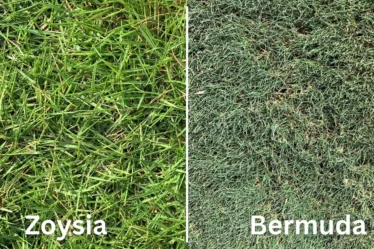
For example, if you live in a warm region, opt for warm-season grass seeds such as Bermudagrass, Zoysia, or Bentgrass. Good cool-season grasses for colder regions include Kentucky bluegrass, Tall Fescue, and Perennial Ryegrass.
Some lawn owners prefer to plant one type of grass, but mixing different grass seeds isn’t a bad idea. With hybrid grass seeds, you can be sure that at least a good amount will flourish in your lawn.
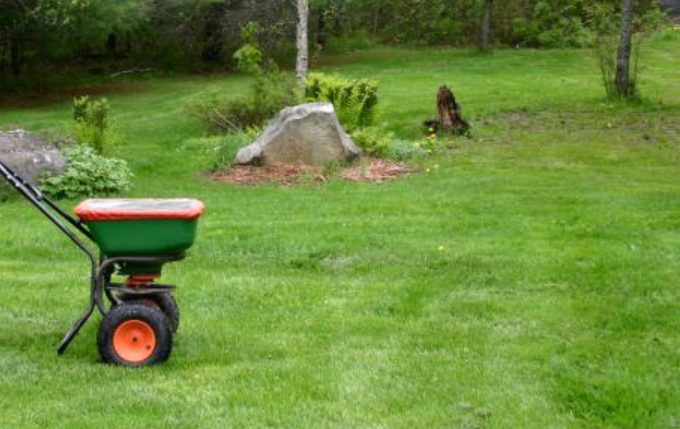
After selecting the best grass seed for your lawn, it’s time to plant. Sprinkle grass seed all over your lawn, covering the edges and the core. Here is a helpful video tutorial on how best to lay grass seed in your lawn
After spreading the seeds, use a rake to mix the soil with the seed. For proper germination and for the lawn to establish, the seeds need to contact the soil as much as possible.
After mixing the soil with the seeds, we recommend applying a layer of topsoil compost about 1 inch thick. Covering the seeds with compost increases contact with soil, protects against erosion and keeps the soil aerated, warm, and moist. These are the perfect conditions for grass seeds to germinate.
Pro Tip: Buy your seeds from a trusted vendor. Good seed is expensive, but it will save you plenty of time and effort.
Step 4: Water the Yard
When starting a new lawn on hard dirt, watering is practically a matter of life and death. Insufficient watering will keep the grass seeds from sprouting or cause the seedlings to die quickly.
Too much water, on the other hand, can discourage the grass from growing deeper roots. Shallow roots make for an unstable lawn and cannot tap the water and nutrients deep in the soil.
It’s best to water your yard as soon as you finish planting the grass seeds.
Light watering is enough to keep the soil moist and aerated. After that, water the yard several times a day. Ideally, keep the top 1 inch of soil moist to ensure proper seed germination.
After the seeds germinate, keep the top 2 to 3 inches of soil adequately moist. At this point, you can reduce watering to 2 or 3 times a week. The best time to water your new lawn is mid-morning when the sun is pleasantly warm but not scorching. This keeps the water from evaporating and ensures that the soil absorbs as much moisture as possible.
By watering two to three times, the soil will have about 4 to 6 inches of water, which is good enough for the plant’s growth and development. Once the lawn is established, water infrequently but deeply to encourage deep root growth.
Ensure That Your Grass Seed Grows on Hard Dirt
After planting your grass seeds, the work of growing out your lawn doesn’t end here. Proper lawn care will make all the difference in whether your newly planted grass seeds will thrive.
Keep these things in mind for your lawn to flourish:
Temperature
Grass, like any other plant, requires the ideal temperatures to flourish. If you live in the south, the best temperatures to grow warm-season grass are between 80 and 96 degrees Fahrenheit. For cool-season grasses, the ideal temperatures are between 50 and 65 degrees Fahrenheit.
Timing
Planting grass seed during its peak growth period helps seeds germinate faster and the lawn establish more quickly. Ideally, plant cool-season grass seeds in fall when the soil is still warm from summer heat, daytime temperatures are mild, and nights are cool.
Late spring to early summer is the best time to plant warm-season grass seeds. At this time, you benefit from light, predictable rainfall and warm soil, which is ideal for lawn growth and establishment.
Shade
Some grass types require full sun to flourish, while others thrive in yards with moderate to full shade. Assess the shade conditions where you want to plant the seeds, and buy compatible grass seed. Too much or too little shade will slow germination. Exposing the planted grass seed to just enough sunlight will promote rapid germination and soil establishment.
Extended Tips
- If you are dealing with hard, compacted soil, there may be other problems to address before planting grass seeds. Consider doing a simple soil test. Collect a few samples and bring them to your local gardening center for testing.
- Practice proper lawn mowing. You can start to mow your new grass when the blades are 3 to 6 inches long. However, you should not mow more than 1/3 of the grass blades in a single mowing session. Overmowing can hurt the new grass and lead to long-term problems such as unwanted browning.
- Follow the proper feeding routine. You can start feeding the grass 2 to 4 weeks after planting. If you mixed fertilizer into the soil before planting, you can apply another layer 6 to 8 weeks after planting.
- Try to aerate your soil at least two times a year to minimize the chances of compaction.
Hard Dirt is Not Ideal, But Your Dream Lawn Is Still Possible
Planting grass is usually as simple as spreading the seeds in your lawn and waiting for them to germinate. However, when you are facing hard, dry soil, that’s a different ball game.
To plant grass seed in hard dirt, you will need to take your time to prepare the soil using the steps we have outlined. Be sure to invest in high-quality seeds and to plant during the grass’s particular peak growth season.
Wish you all the best in growing your new lawn!
Final Thoughts
Growing grass on hard, compacted dirt may seem difficult, but it doesn’t mean you have to give up on a beautiful lawn. The secret is to prepare the soil properly before planting. Aerating and tilling the ground, adding compost, removing debris, and choosing suitable grass seeds will create a healthier environment for successful germination and root development.
However, planting the seeds is only the beginning. You also need to provide consistent moisture, choose the right planting season, and ensure your grass receives enough sunlight. Regular maintenance, including proper mowing, feeding, and periodic aeration, will further help your new lawn establish and remain healthy.
Remember that grass does not grow overnight, especially when starting with hard, compacted soil. Be patient, follow the right preparation steps, and give your lawn the attention it needs. With time and proper care, even a yard covered in hard dirt can become a beautiful, green space you can enjoy.