
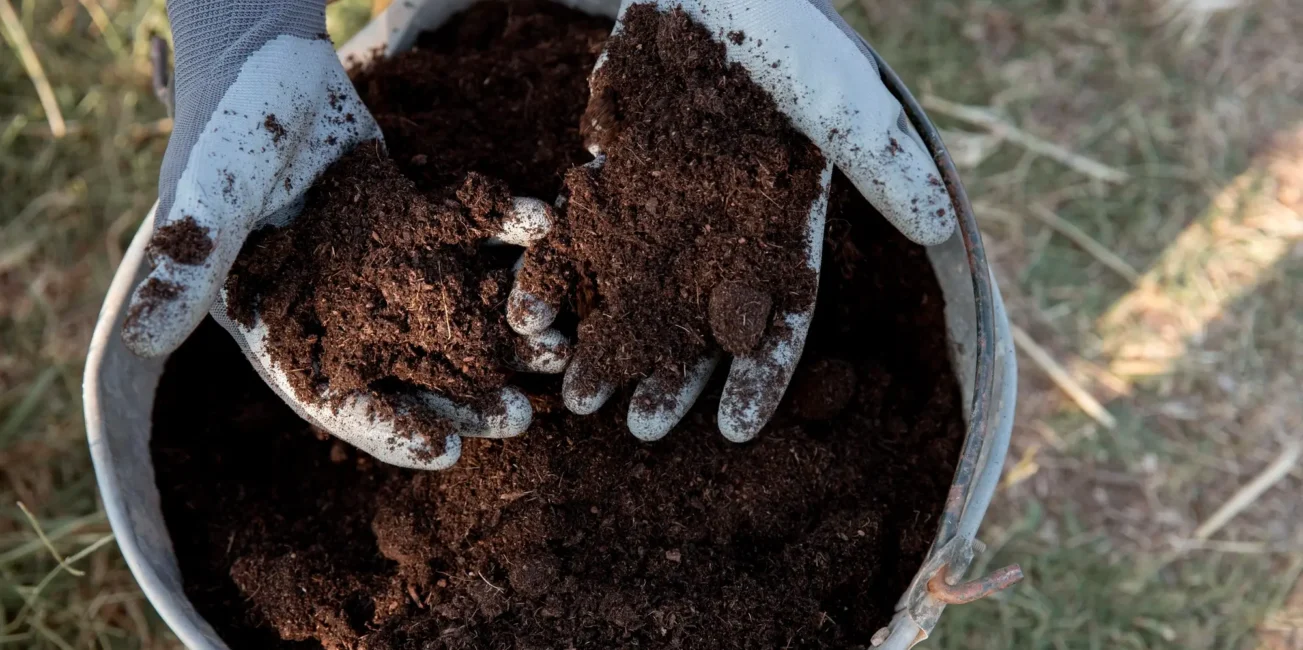


Eco-friendly grass options are as stunning as turf and create sustainable lawns that support the surrounding environment instead of harming it. With fewer toxic chemicals and less mowing, eco-friendly grass options support a healthier ecosystem and safer yards for kids to play in. Eco-friendly alternatives are another way to minimize your carbon footprint. This article …

Necrotic Ring Spot in Lawn: How to Treat It
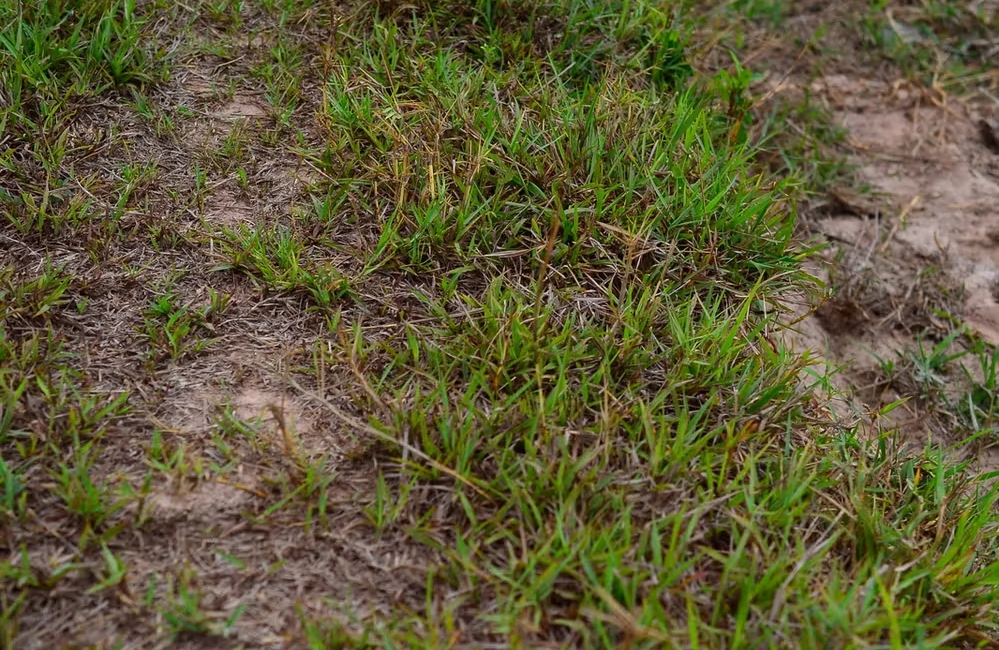
Necrotic ring spot (NRS) is a soil-borne garden fungus that primarily targets the root systems of grass and cannot be eliminated with fungicides. Luckily, this article will explain everything and how to deal with this disease, from sound lawn care practices to selecting resistant grasses. NRS is caused by Ophiosphaerella korrae, which loves cool, wet …

What is Dormant Seeding? And How to Dormant Seed Your Lawn
What is dormant seeding, and why should you care about it? Dormant seeding is the shortcut to a spotless spring lawn. You seed the lawn in late fall or winter, when the soil is cold enough to prevent germination, and the seeds sprout when the ground warms in the spring. The result is a thick, …

What is a Self-Propelled Lawn Mower?
Pushing a heavy mower, especially uphill or across a big yard, can feel like too much work. If that sounds familiar, a self-propelled mower can help. So, what is a self-propelled lawn mower and how does it make mowing easier? This guide explains how they work, their benefits and downsides, and helps you decide whether …

160cc vs 190cc Lawn Mower Engine: What’s the Difference?
First, let’s understand what 160cc and 190cc mean. CC stands for cubic centimeters. It measures the engine size. A 160cc engine has 160 cubic centimeters of space inside. A 190cc engine has 190 cubic centimeters. More space means more power. You’ve probably asked yourself at one point: what makes for a good lawn mower? Well, …
When & How to Dethatch a Lawn (After-Care Tips)
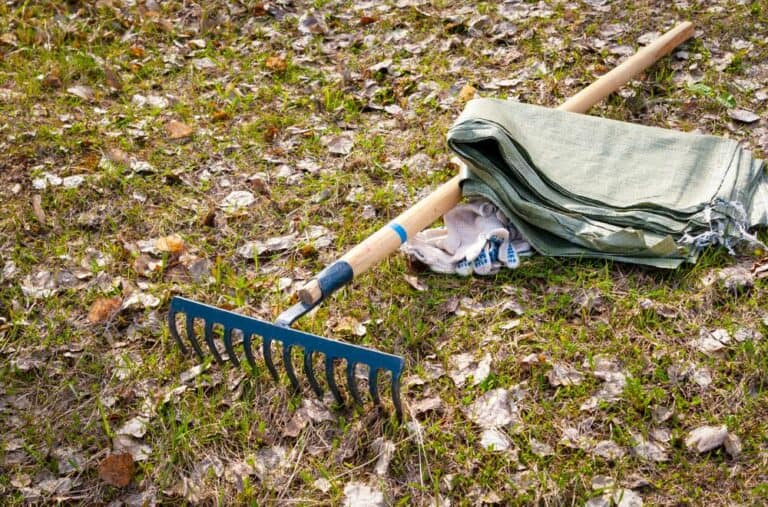
If you’ve noticed your lawn isn’t growing as well as it should, or if the grass looks a bit thin and patchy, it might be time to dethatch. However, the problem begins once it gets too thick; dethatching is a must if you want to maintain your lawn’s vigor and vibrancy. But how and when …
Weed Killer or Fertilizer First? (Which one to Put Down First)
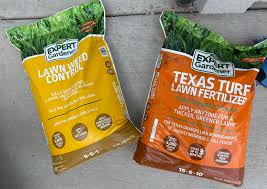
Weeds need the same things lawn grass needs to thrive, i.e., sunlight, water, and nutrients. Unfortunately, weeds can still thrive even when the grass is struggling from soil compaction, a lack of nutrients, or too little water. Most weeds are deep-rooted and grow quickly, and they will choke lawn grass if left on the lawn …

Why Does My Lawn Mower Backfire?
Backfire is the loud bang or explosion that your lawnmower may produce while running or shutting off. This sudden noise can be irritating, and you may wonder why your lawn mower backfires. Although a backfire does not damage your engine, it can indicate other hidden mechanical issues that should be addressed. Read on to discover …

What is Milorganite and When to Apply It?
Milorganite, an organic nitrogen fertilizer, is a product you’re likely to consider for your lawn. That’s because you can apply it without risking grass burn. It also contains iron, which means that when you apply Milorganite, it will help your grass achieve a beautiful dark green color. But you may wonder when to use Milorganite …
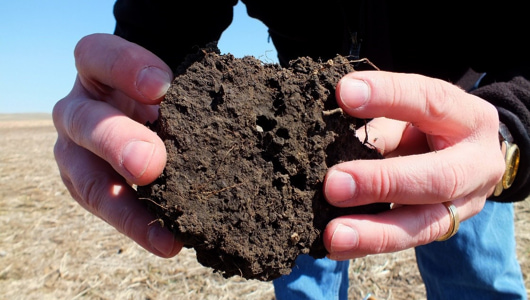
How Can You Tell if You Have Compacted Soil?
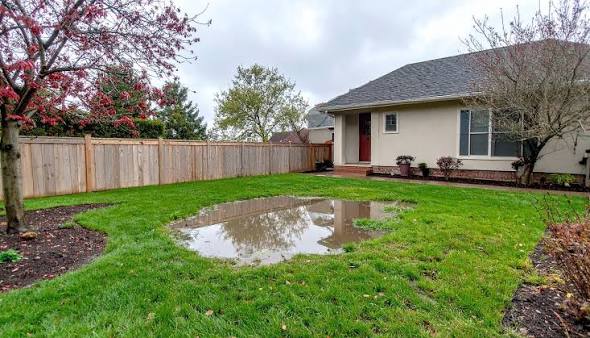
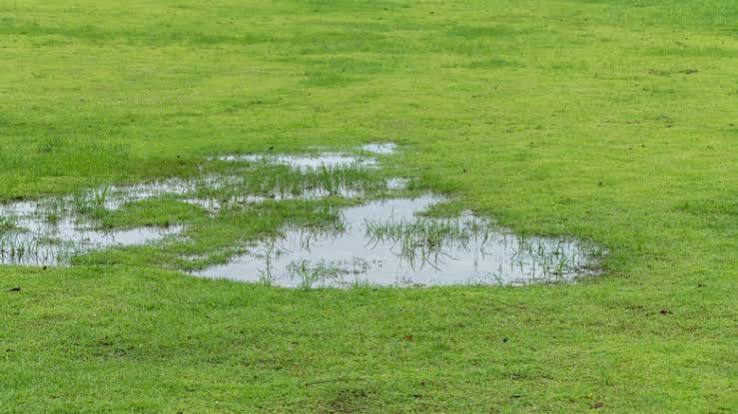
Struggling with yellow grass, puddles after rain, or bare patches? Your lawn might have compacted soil. You can tell by testing with a screwdriver — if it won’t easily push 6 inches into moist soil, you’ve got compaction. Compacted soil prevents water, air, and nutrients from reaching grass roots, causing weak growth and lawn problems. …