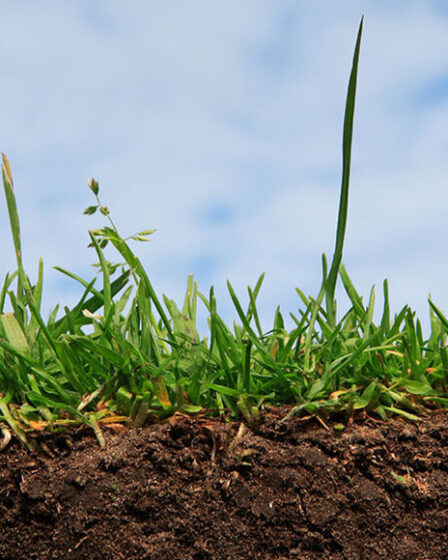
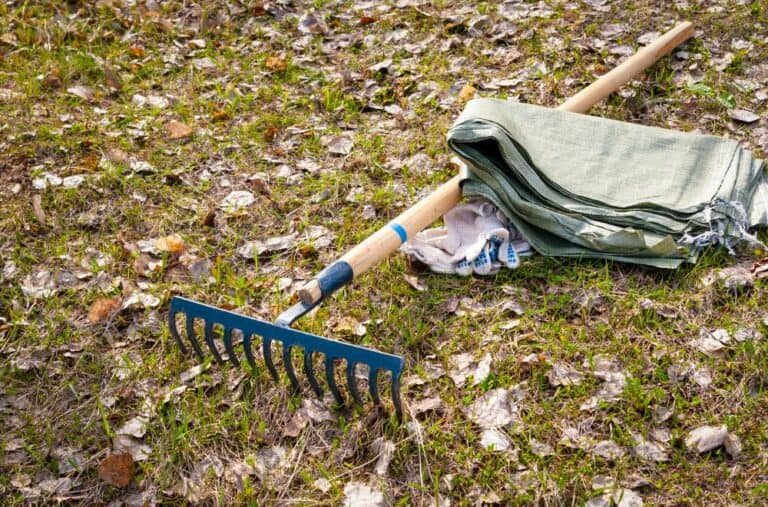
If you’re noticing that your lawn just doesn’t seem to be growing as well as it should, or if the grass is looking a bit thin and patchy, it might be time to dethatch. However, the problem begins once it gets too thick; dethatching is a must if you want to maintain your lawn vigor …
Lawn Care Tips
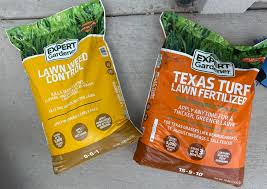
Weed Killer or Fertilizer First? (Which one to Put Down First)
Weeds need the same things lawn grass needs to thrive, i.e. sunlight, water, and nutrients. Unfortunately, weeds can still thrive even when the grass is struggling from soil compaction, lack of enough nutrients, or less water. Most weeds are deep-rooted and grow quickly, and they will choke lawn grass if left on the lawn and …
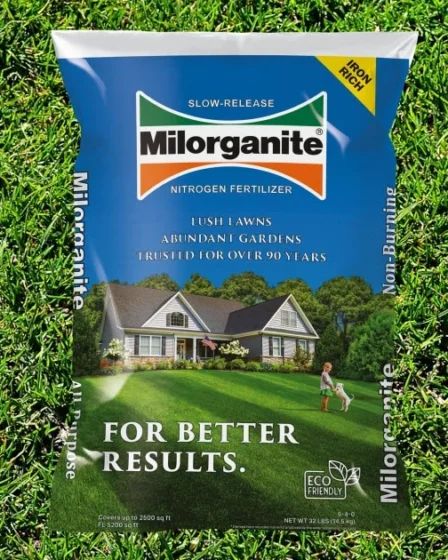
What is Milorganite and When to Apply It?
Milorganite, an organic nitrogen fertilizer, is a product that you’re likely to consider using on your lawn. That’s because you can apply it without risk of burning your grass. Also, it contains a iron, which means when you apply Milorganite it will help grass achieve a beautiful dark green color. But you may wonder when …
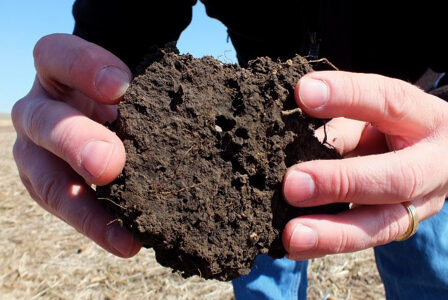
How Can You Tell if You Have Compacted Soil?
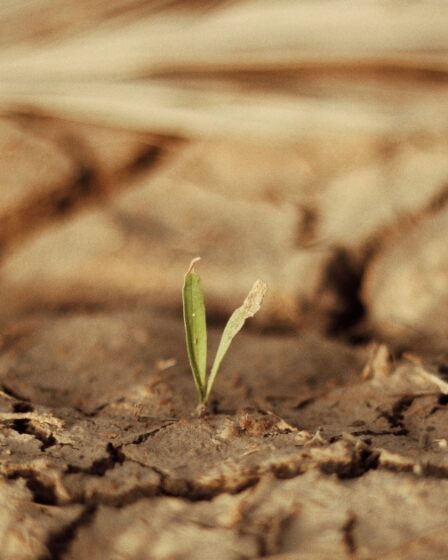
Struggling with yellow grass, puddles after rain, or bare patches? Your lawn might have compacted soil. You can tell by testing with a screwdriver — if it won’t easily push 6 inches into moist soil, you’ve got compaction. Compacted soil prevents water, air, and nutrients from reaching grass roots, causing weak growth and lawn problems. …
How Do You Grow Your Own Sod?
Using pregrown sod can instantly give your lawn a plush, green look. But patching or replanting your yard with sod does not have to mean purchasing it from a greenhouse or garden center. By selecting the right grass seed, creating a nutrient-rich soil mixture and germinating seeds in a warm environment, you can start to …
Causes and Cures for Compacted Soil
A mix of different factors can lead to compacted soil, including heavy foot or vehicle traffic, low organic matter, intense rainfall, overwatering, mixing clay soil with sand, and even the weight of heavy equipment or structures.. But when it comes to the health of your lawn, soil compaction can do significant harm –– and we’ll …
12 Common Summer Lawn Pests
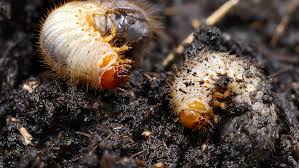
If you’re watering your lawn, but those brown patches won’t seem to get any greener, you might be dealing with a common summer pest. But how can you tell the difference between damage from pests, drought, and lawn disease? Pests are gross, irritating, and can damage your lawn, trees, and garden beds. Learn how to …
How Earthworms Help Your Lawn and Soil
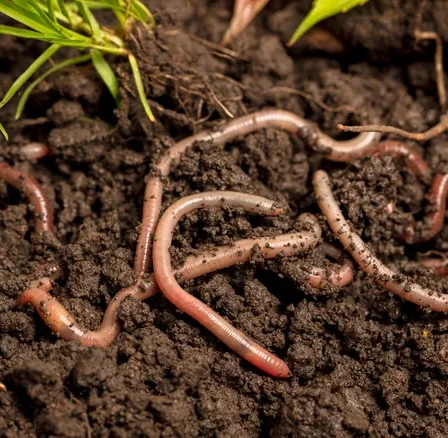
Earthworms may feel a little slimy, but their reputation in the lawn is far from it. In fact, once you learn how earthworms help your lawn and soil, you might start to encourage them. Earthworms are essential for a healthy lawn. These invertebrates help improve soil fertility, improve drainage, and encourage root growth. But remember, …
Yard Work Safety Tips
Yard work might be described as “back breaking,” but that shouldn’t be taken literally. In the past 10 years, emergency rooms reported almost 3.2 million injuries related to lawn care. Put down the pruning shears and read on for health and safety tips for landscaping. We’ll cover everything you need to know to prepare for yard work …
How to Deal with Earthworm Castings on Your Lawn
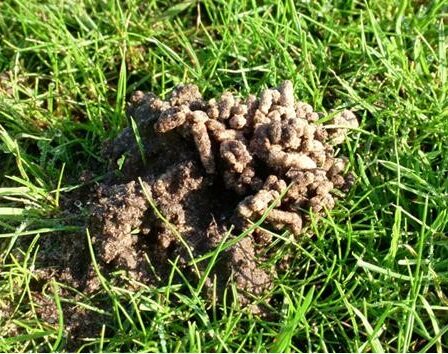
If the piles of soil in your yard are roughly the size of a quarter, you might have struck mulch gold. These piles are earthworm castings (also known as worm poo) and significantly benefit your yard. But sometimes, excess worm waste can be too much of a good thing. Our guide will show you how …